24/06/2026
How to Get Security Clearance for IT Jobs in the UK: Step-by-Step Guide
As cyber threats continue to increase and government technology projects expand, security-cleared professionals have become some of the most sought-after candidates in the UK job market.
Many high-paying roles in cyber security, cloud engineering, software development, infrastructure management, and defence technology require some level of security clearance. However, many job seekers are unsure how the process works and whether they can apply themselves.
This guide explains how to get security clearance for IT jobs in the UK, including eligibility requirements, application steps, processing times, and career opportunities.
Why Security Clearance Matters
Security clearance allows individuals to access sensitive government systems, facilities, and information.
Many organisations require cleared professionals, including:
- Government departments
- Defence contractors
- Cyber security consultancies
- Critical infrastructure providers
- Intelligence agencies
- Technology suppliers
Holding security clearance can increase job opportunities and earning potential.
Can You Apply for Security Clearance Yourself?
One of the most common misconceptions is that individuals can apply independently.
In most cases, this is not possible.
Security clearance must be sponsored by:
- An employer
- A government department
- An approved contractor
Typically, you first secure a role requiring clearance, and the employer initiates the process.
Step 1: Find Security-Cleared IT Jobs
Common roles include:
- Cloud Engineers
- Cyber Security Analysts
- Software Developers
- Infrastructure Engineers
- DevOps Engineers
- Data Analysts
- Network Engineers
Many job adverts specify whether clearance is required, preferred, or can be sponsored.
Step 2: Meet Eligibility Requirements
Eligibility requirements vary depending on clearance level.
Typical requirements include:
Identity Verification
Applicants must prove their identity using official documentation.
Right to Work
Applicants must be legally eligible to work in the UK.
Residency Requirements
Many clearance levels require substantial UK residency history.
Employment History
Applicants must provide accurate employment records.
Criminal Record Review
Past convictions may be reviewed during vetting.
Step 3: Employer Sponsorship
Once hired, your employer submits a clearance request.
The organisation will provide:
- Application forms
- Security questionnaires
- Guidance documentation
Accurate information is essential throughout the process.
Step 4: Complete Security Questionnaires
Applicants may be asked to provide:
- Address history
- Employment history
- Education records
- Financial information
- Travel history
- Personal references
Completing forms accurately can help avoid delays.
Step 5: Background Checks
Depending on the clearance level, investigators may conduct:
- Identity verification
- Employment checks
- Credit checks
- Criminal record reviews
- Reference checks
Higher clearance levels involve more extensive investigations.
Step 6: Await Clearance Decision
Processing times vary.
Typical Timeframes
|
Clearance Type
|
Estimated Time
|
|
BPSS
|
Days to weeks
|
|
CTC
|
Several weeks
|
|
SC
|
Several weeks to months
|
|
DV
|
Several months or longer
|
Applicants should remain patient during this stage.
Common Reasons for Delays
Delays often occur because of:
- Missing information
- Incomplete address histories
- Overseas residency periods
- Verification difficulties
Providing accurate information helps reduce delays.
Benefits of Security-Cleared IT Careers
Higher Salaries
Security-cleared professionals often command premium salaries.
Greater Job Security
Government projects typically involve long-term investment.
Reduced Competition
Clearance requirements naturally limit the candidate pool.
Career Progression
Many senior government technology positions require active clearance.
Most Popular Security-Cleared IT Roles
Cyber Security Analyst
Protects systems and networks against cyber threats.
Cloud Engineer
Manages secure cloud infrastructure.
Software Developer
Builds applications used within government and defence environments.
Infrastructure Engineer
Maintains critical technology systems.
DevOps Engineer
Supports automated software delivery pipelines.
Tips for Improving Your Chances
Maintain Accurate Records
Keep employment and address histories organised.
Build Technical Skills
Employers seek strong technical expertise alongside clearance eligibility.
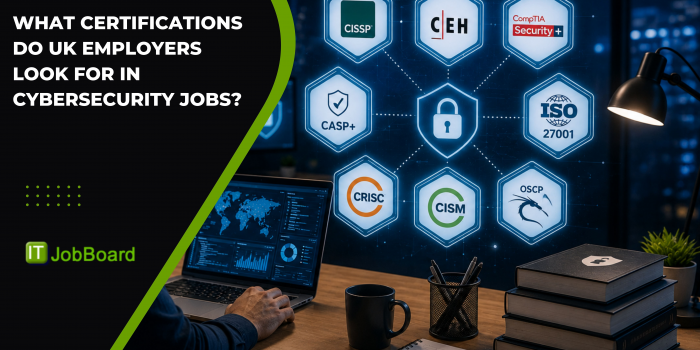
Earn Industry Certifications
Valuable certifications include:
- AWS Certifications
- Azure Certifications
- CISSP
- CompTIA Security+
- CEH
Apply for Relevant Roles
Target employers willing to sponsor clearance.
Future Demand for Security-Cleared IT Professionals
Government investment in cyber security, cloud computing, artificial intelligence, and digital services continues to increase.
As a result, demand for security-cleared technology professionals is expected to remain strong throughout 2026 and beyond.
Professionals who combine technical expertise with active security clearance are likely to enjoy excellent career prospects.
Conclusion
Understanding how to get security clearance for IT jobs can open doors to some of the UK's most rewarding technology careers.
While individuals cannot usually apply directly, securing employment with a sponsoring organisation and successfully completing the vetting process can significantly enhance career opportunities.
For IT professionals interested in government, defence, cyber security, and critical infrastructure projects, security clearance remains one of the most valuable career assets available.
FAQs
1. Can I apply for UK security clearance without a job offer?
No. Security clearance usually requires sponsorship from an employer or government organisation.
2. How long does SC clearance take?
SC clearance can take several weeks to several months depending on individual circumstances.
3. Which IT jobs require security clearance?
Cloud Engineers, Cyber Security Analysts, Software Developers, DevOps Engineers, Infrastructure Engineers, and Network Engineers commonly reengineers, cybersecurity analysts, software developers,quire clearance.
4. Does security clearance increase salary?
Yes. Security-cleared professionals often receive higher salaries due to increased demand and limited supply.
5. What is the most common clearance level for IT jobs?
SC (Security Check) clearance is the most commonly requested level for technology professionals.