24/07/2026
Skills-Based Hiring in the UK: Why Employers Care More About Skills Than Degrees
The UK employment market is changing rapidly, and Skills-Based Hiring UK has become one of the biggest recruitment trends across the technology sector. While university degrees remain valuable for many careers, employers are increasingly prioritising practical skills, certifications, real-world experience, and problem-solving abilities when recruiting new talent. As digital transformation accelerates across industries, businesses need professionals who can contribute from day one rather than relying solely on academic qualifications.
For job seekers, this shift creates exciting opportunities. Whether you're a recent graduate, career changer, self-taught developer, or IT professional looking to progress, demonstrating your skills can significantly improve your chances of securing interviews. Employers are no longer asking only "Where did you study?"—they also want to know "What can you do?"
In this guide, we'll explore why skills-based hiring is growing in the UK, what employers expect from candidates, and how you can build a profile that stands out in today's competitive technology job market.
What Is Skills-Based Hiring?
Skills-based hiring is a recruitment approach where employers evaluate candidates primarily on their ability to perform the job rather than relying heavily on formal education or years of experience.
Instead of filtering applicants solely by degree requirements, employers assess whether candidates possess the technical knowledge, practical experience, and transferable skills needed for success.
This may include evaluating:
- Technical expertise
- Industry certifications
- Project portfolios
- Problem-solving ability
- Communication skills
- Teamwork
- Adaptability
- Practical experience
- Continuous learning
For many IT roles, these factors now carry as much weight as traditional qualifications.
Why UK Employers Are Shifting Towards Skills-First Recruitment
Several factors have contributed to the rise of Skills-first hiring across the UK.
Rapid Technological Change
Technology evolves much faster than traditional education programmes.
New programming languages, cloud platforms, cybersecurity threats, AI tools, and software development frameworks appear every year.
Employers need professionals who continuously update their knowledge rather than relying solely on qualifications earned several years ago.
Candidates who actively learn new technologies demonstrate adaptability—a quality highly valued across the IT industry.
Growing Digital Skills Shortage
Many UK businesses struggle to recruit professionals with the right technical expertise.
Demand continues to grow for specialists in:
- Cyber Security
- Cloud Computing
- Artificial Intelligence
- Data Engineering
- DevOps
- Software Development
- Data Analysis
- Networking
Because experienced professionals remain in short supply, employers increasingly focus on practical capability instead of traditional career pathways.
Better Hiring Outcomes
Recruiters have discovered that practical skills often predict workplace performance more effectively than academic qualifications alone.
Candidates who can demonstrate:
- Real projects
- Technical certifications
- GitHub contributions
- Problem-solving ability
- Practical coding experience
often adapt more quickly once employed.
As a result, many organisations now combine technical assessments with behavioural interviews to evaluate candidates more accurately.
Why Degrees Still Matter—But Aren't Everything
This shift does not mean degrees have become irrelevant.
Many employers still value university education because it develops:
- Analytical thinking
- Research skills
- Technical foundations
- Communication
- Collaboration
However, degrees are increasingly viewed as one part of a candidate's profile rather than the deciding factor.
A graduate with no practical experience may struggle to compete against someone who has:
- Built software applications
- Earned industry certifications
- Completed internships
- Contributed to open-source projects
- Developed a strong technical portfolio
Today's recruitment process rewards continuous learning and demonstrated capability.
The Benefits of Skills-Based Hiring
Skills-based recruitment benefits both employers and job seekers.
For Employers
Organisations gain access to a broader talent pool.
Instead of limiting recruitment to degree holders, businesses can identify talented professionals who have developed their expertise through:
- Self-learning
- Apprenticeships
- Bootcamps
- Online training
- Career changes
This helps address ongoing talent shortages while encouraging workforce diversity.
For Job Seekers
Candidates benefit because they have more opportunities to demonstrate their abilities.
People changing careers or entering technology from non-traditional backgrounds can compete based on what they know rather than where they studied.
This has opened doors for many successful:
- Software Developers
- Cyber Security Analysts
- Cloud Engineers
- DevOps Engineers
- Data Analysts
- QA Engineers
who built their expertise through continuous learning and practical experience.
Industries Leading Skills-Based Hiring
Although skills-first recruitment is expanding across many sectors, technology remains one of the strongest adopters.
Employers often assess candidates through:
- Coding challenges
- Technical interviews
- Portfolio reviews
- GitHub repositories
Practical coding ability frequently outweighs academic qualifications.
Cyber Security
Cybersecurity employers place significant emphasis on certifications and hands-on experience.
Valued qualifications include:
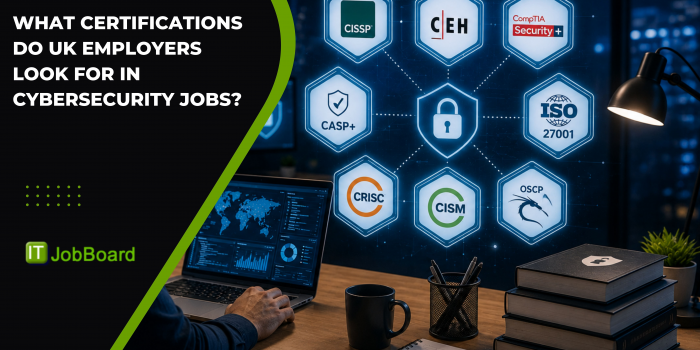
- CompTIA Security+
- CEH
- CISSP
- Microsoft Security Certifications
Practical labs and security projects can significantly strengthen applications.
Cloud Computing
Cloud platforms continue driving digital transformation.
Employers increasingly recruit candidates with expertise in:
- AWS
- Microsoft Azure
- Google Cloud Platform
- Kubernetes
- Docker
- Infrastructure as Code
Industry certifications often carry substantial weight during recruitment.
Data and Artificial Intelligence
Demand continues growing for professionals skilled in:
- Python
- SQL
- Power BI
- Tableau
- Machine Learning
- Data Engineering
- AI tools
Candidates who build practical data projects often gain an advantage over applicants relying solely on academic qualifications.
Transferable Skills Are Becoming More Important
Technical ability alone is rarely enough.
Employers also seek candidates with strong transferable skills, including:
Communication
Technology professionals regularly collaborate with stakeholders, clients, and cross-functional teams.
Being able to explain technical concepts clearly is highly valued.
Problem-Solving
Companies want employees who can analyse challenges, identify solutions, and think critically.
Adaptability
Technology changes rapidly.
Professionals who embrace continuous learning remain highly employable throughout their careers.
Teamwork
Modern software development relies on collaboration between developers, testers, designers, analysts, and project managers.
Strong teamwork skills improve project outcomes.
Top IT Certifications UK Employers Value
Professional certifications are an excellent way to demonstrate your technical knowledge and commitment to continuous learning. In many cases, certifications can help candidates stand out, particularly when applying for entry-level or career-change roles.
Some of the most recognised certifications include:
Cloud Computing
- AWS Certified Cloud Practitioner
- AWS Solutions Architect – Associate
- Microsoft Azure Fundamentals (AZ-900)
- Microsoft Azure Administrator (AZ-104)
- Google Associate Cloud Engineer
Cyber Security
- CompTIA Security+
- Certified Ethical Hacker (CEH)
- CISSP (for experienced professionals)
- Microsoft Security, Compliance, and Identity certifications
Networking
- Cisco Certified Network Associate (CCNA)
- CompTIA Network+
Project Management
- PRINCE2 Foundation
- AgilePM
- Scrum Master Certification
Data and Analytics
- Microsoft Power BI Data Analyst
- Google Data Analytics Professional Certificate
- Databricks Fundamentals
Employers often view these certifications as evidence that candidates are keeping pace with evolving technologies.
Internal Linking Opportunity:
Read our guide on Top IT Certifications UK Employers Value Most to learn which qualifications match your career goals.
Build a Portfolio That Gets Interviews
One of the biggest advantages of skills-based hiring is that employers can evaluate real examples of your work.
A strong portfolio demonstrates practical ability far more effectively than simply listing skills on a CV.
Depending on your career path, consider including:
Software Development
- Personal applications
- Web development projects
- Mobile apps
- Open-source contributions
- GitHub repositories
Cyber Security
- Capture the Flag (CTF) challenges
- Home lab projects
- Security audits
- Vulnerability assessments
- Incident response exercises
Data Analytics
- Interactive dashboards
- SQL projects
- Power BI reports
- Tableau visualisations
- Data cleaning case studies
Cloud Engineering
- AWS deployments
- Azure projects
- Infrastructure as Code examples
- Kubernetes clusters
- Docker implementations
Document your projects clearly by explaining:
- The problem you solved
- Technologies used
- Challenges faced
- Results achieved
- Lessons learned
This helps recruiters understand both your technical ability and your approach to problem-solving.
Demonstrate Your Skills Beyond Your CV
Your CV introduces your experience, but employers increasingly look for additional evidence of your capabilities.
Consider strengthening your professional profile through:
- GitHub
- LinkedIn
- Personal portfolio website
- Technical blog
- Industry certifications
- Hackathons
- Open-source contributions
- Volunteer technology projects
These activities demonstrate initiative, curiosity, and a commitment to continuous improvement.
Tailor Your CV for Skills-Based Hiring
Many organisations now use Applicant Tracking Systems (ATS) to screen applications before they reach recruiters.
To improve your chances:
Match Your Skills to the Job Description
Review the vacancy carefully and include relevant technical skills naturally throughout your CV.
For example:
- Python
- SQL
- AWS
- Azure
- Kubernetes
- Docker
- React
- Java
- Power BI
Only include skills you can confidently discuss during interviews.
Highlight Achievements Instead of Responsibilities
Recruiters are more interested in outcomes than job duties.
Instead of writing:
"Responsible for maintaining company systems."
Write:
"Reduced server downtime by 30% by implementing proactive monitoring and automation."
Using measurable achievements demonstrates impact.
Include Relevant Certifications
Create a dedicated section for certifications so recruiters can identify them quickly.
This is particularly valuable for technical roles where specific certifications may be listed as desirable.
Soft Skills Matter More Than Ever
While technical skills open doors, soft skills often determine long-term success.
UK employers consistently look for candidates who can:
- Communicate effectively
- Collaborate across teams
- Adapt to change
- Manage priorities
- Think critically
- Learn independently
- Solve business problems
Technology professionals increasingly work with non-technical stakeholders, making communication just as important as coding or technical expertise.
Continuous Learning Is Essential
Technology evolves rapidly.
Skills that are highly sought after today may change over the next few years.
Successful professionals invest in lifelong learning through:
- Online courses
- Industry certifications
- Technical communities
- Conferences
- Webinars
- Podcasts
- Industry blogs
- Hands-on projects
Employers appreciate candidates who actively develop new skills rather than relying solely on previous experience.
The Future of Skills-Based Hiring in the UK
The shift towards Skills-Based Hiring UK is expected to continue as organisations embrace digital transformation and artificial intelligence.
Several trends are likely to shape future recruitment:
- Greater use of skills assessments during hiring
- Increased adoption of AI-powered recruitment platforms
- More emphasis on practical portfolios
- Expansion of apprenticeships and bootcamps
- Reduced reliance on degree-only requirements
- Higher demand for digital, cloud, cybersecurity, and AI skills
As employers focus on capabilities rather than credentials, candidates who continuously build practical experience and stay current with industry developments will remain competitive.
Practical Tips to Stay Competitive
To improve your employability in a skills-first job market:
- Learn one new technical skill every quarter.
- Complete at least one recognised certification each year.
- Build a portfolio of real-world projects.
- Contribute to open-source software where possible.
- Keep your LinkedIn profile updated with projects and certifications.
- Network with professionals through industry events and online communities.
- Tailor every CV and cover letter to the specific role.
- Stay informed about UK technology hiring trends.
These habits can help you demonstrate both competence and commitment to potential employers.
Final Thoughts
Skills-Based Hiring UK is reshaping how employers recruit across the technology sector. While degrees remain valuable, organisations increasingly seek professionals who can demonstrate practical skills, solve real business problems, and adapt to emerging technologies.
For job seekers, this presents an opportunity to stand out through certifications, portfolios, hands-on projects, and continuous learning. Whether you're beginning your IT career, changing industries, or aiming for your next promotion, investing in practical skills is one of the most effective ways to improve your employability.
As digital transformation continues across the UK, professionals who combine technical expertise with strong communication, collaboration, and problem-solving abilities will be well positioned for long-term career success.
Frequently Asked Questions
1. What is skills-based hiring?
Skills-based hiring is a recruitment approach where employers evaluate candidates based on their practical skills, experience, certifications, and ability to perform the role rather than relying primarily on academic qualifications.
2. Are degrees still important for IT jobs in the UK?
Yes, but many employers now consider degrees alongside practical experience, technical skills, certifications, and portfolios. For some roles, demonstrable skills can be just as important as formal education.
3. Which IT certifications are most valued by UK employers?
Popular certifications include AWS, Microsoft Azure, CompTIA Security+, CCNA, CISSP, PRINCE2, Scrum Master, and Microsoft Power BI certifications, depending on the role.
4. How can I demonstrate my technical skills to employers?
You can showcase your skills through GitHub projects, personal websites, technical blogs, industry certifications, hackathons, internships, freelance work, and contributions to open-source projects.
5. Which industries use skills-based hiring the most?
Technology, cybersecurity, cloud computing, software development, data analytics, digital marketing, and engineering are among the sectors most actively adopting skills-first recruitment.
6. How can I prepare for skills-based recruitment?
Focus on developing in-demand technical skills, earning recognised certifications, building a portfolio of projects, improving your CV with measurable achievements, and practising technical interview questions.